
Country Diary Revisited
What will we learn from these endless fires?

Note: This Country Diary was originally published by the Guardian on 15 May 2026 — it was the first I was commissioned to write. It felt important to write at the time, during the second hottest May on record globally (which had been set the previous May). The hottest Welsh May day on record was reached at my home in Cardiff this year, at 32.9C.
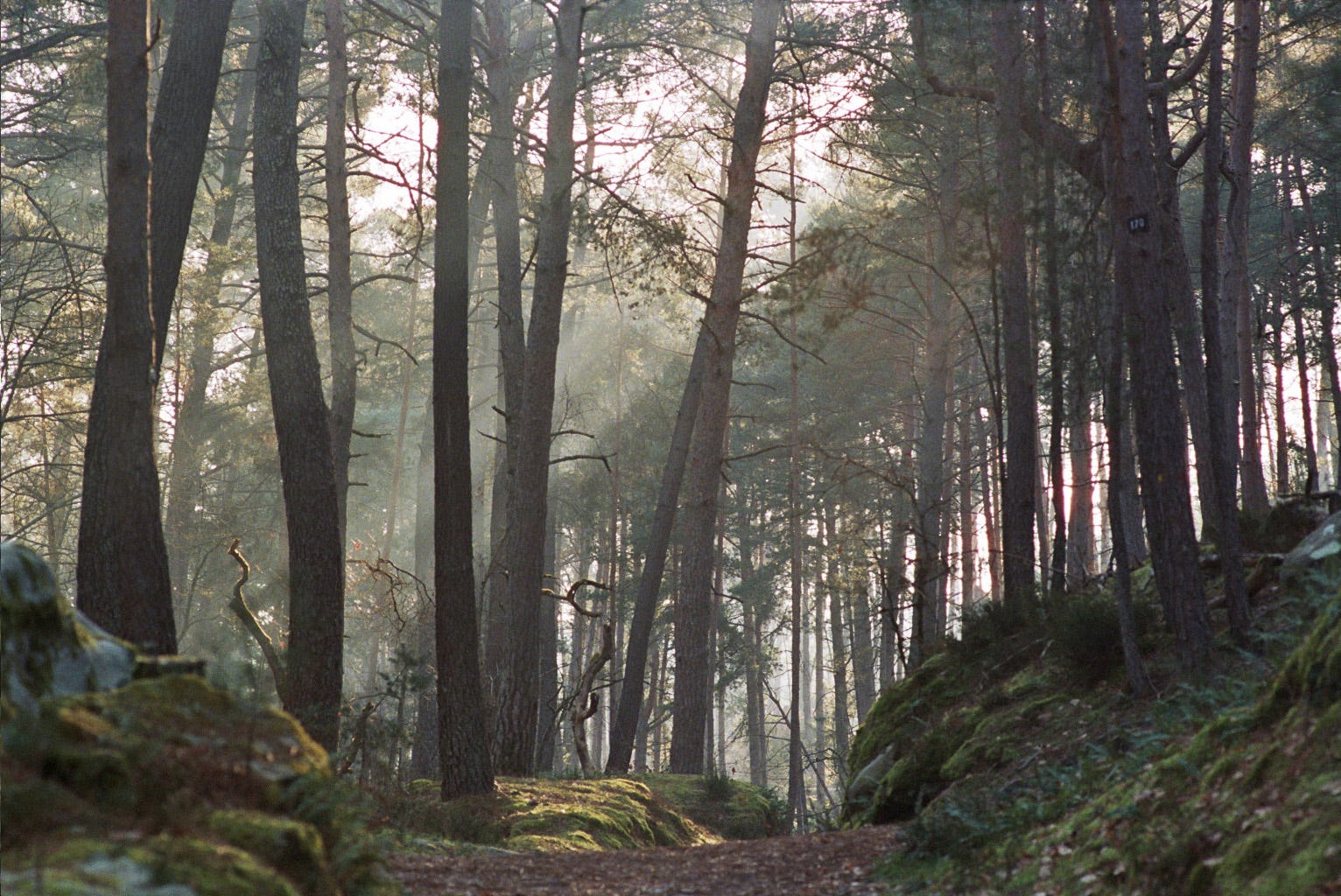
Since I wrote it, it feels like the threat of wildfires to our health, to our landscapes, and to nature itself, has grown exponentially. At this moment, everything feels like it is on fire. I spent yesterday bent over a laptop refreshing feeds detailing the destruction of the forest of Fontainebleau — a place that has probably had a bigger impact on my life than almost any other. There are no forests of its kind anywhere in Wales, where I live, and in this new climate where summer begins and ends in May before something altogether more miserable takes its place before resuming somewhere in mid September, it doesn’t feel like there ever will be.
All the while closer to home, the Sychnant pass burned (is smouldering), with 260 mountain acres scorched and families forced to evacuate. This area is also notable for being the home of one of Wales’ (at one time) most beloved farmers, who wasted no time in taking to the airwaves to blame a lack of grazing for the blaze, in a post so unpopular that S4C had to disable comments.
It will be interesting to see whether the sight of their own property turning to ash during the hottest, driest summer within living (or dead) memory (so far) moves people like this to take a more sympathetic view toward climate mitigation, reducing emissions, landscape resilience, and away from indulging in the fatal politics of climate skepticism. I’m not holding my breath. It’s far easier to blame the public, who have played only a small part in creating the new tinderbox that is our home.
Country diary: A wildfire has killed off (nearly) everything wild
Cilgwyn, Gwynedd: It stripped the hill of its heather, bilberry and bog mosses – and with them the inhabitants of so many nests and burrows
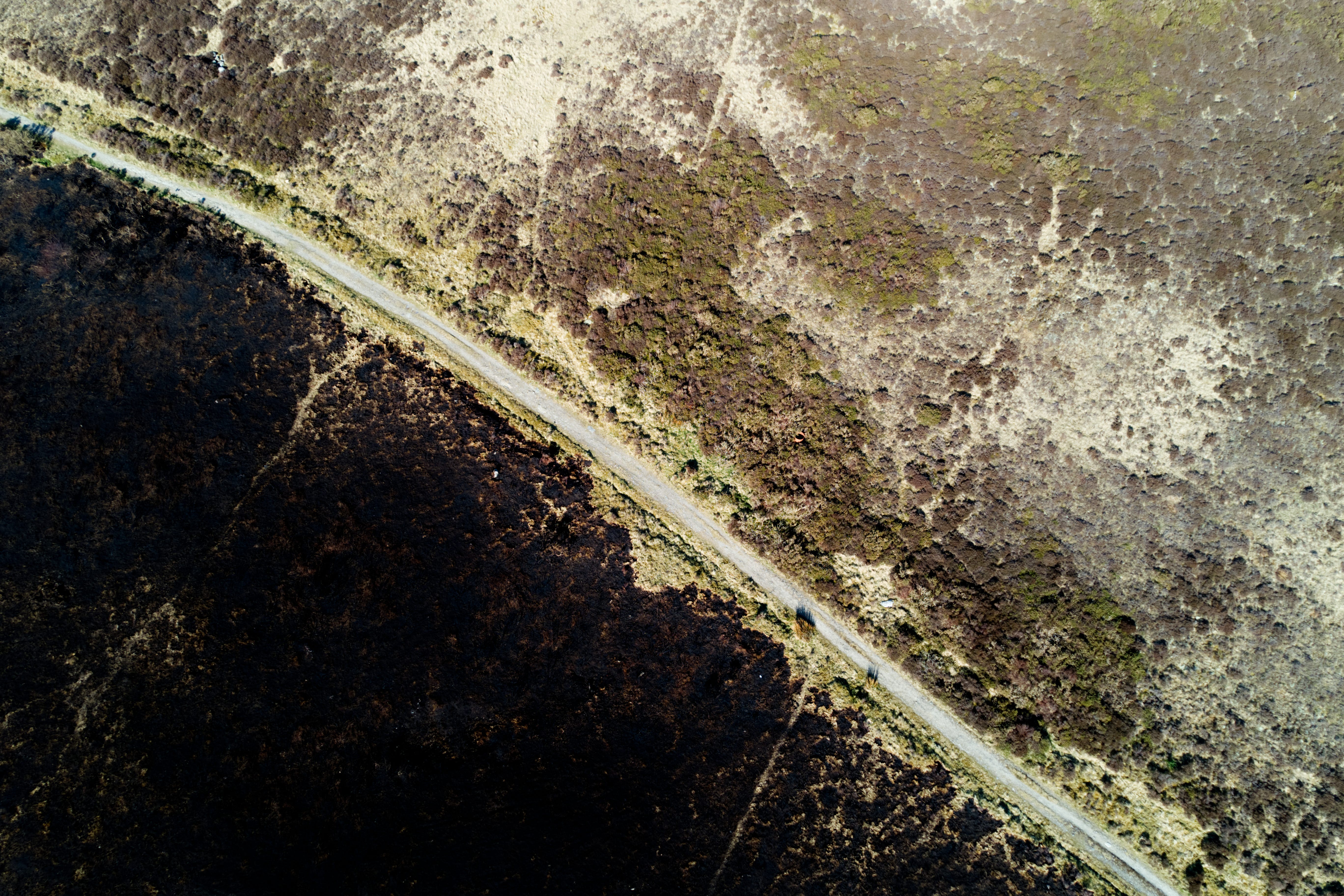
A thick blue haze hangs over the valley – Cilgwyn has burned again. Dead fingers of blackened heather snap underfoot, and each step kicks up a cloud of ash. “Deliberate ignition” was the given cause of the last major fire here, in 2021. Before that, in 2018, another threatened to engulf the village, a kilometre west of Eryri (Snowdonia). Who was the deliberator of this one? I shouldn’t speculate.
As a teen I searched here for boulders to climb, but today I’m picking over the hill’s smoking bones. Gone is the heather, the bilberry, the bog mosses, which usually soften the place. Detritus now dots the ground, things usually hidden by the gorse: cans, rusty wire, a perfectly symmetrical piece of sheet metal looking like an ersatz butterfly. I feel something hard under my shoe: a golf ball, perfectly toasted.
The most promising of the bouldering stones stands out in the char. A broad, squat monolith, its rough shoulders are festooned with lichens of green, grey and crimson. Quartz white in a sea of soot, it floats, raft-like, with its living cargo. The surfaces of smaller rocks are fractured from the flames that swept over them. If they ever held much life or harboured any climbing holds, they don’t any more.
Wildfires have always been a fixture here, but they sound a more troubling note now. Spring and summer are arriving early, and nature is forced to adjust, with birds building their nests weeks earlier too: Corehedydd y Waun (meadow pipit) and Clochdar y Cerrig (stonechat) are among them. I wonder how many had nests here already, after such a dry and warm spring in a very wet part of Wales.
Time has passed since the blaze. Kneeling down, I notice a burrow exposed by the fire: probably a mouse’s. It would be a miracle if its inhabitant was spared. But regeneration is already under way; tiny green shoots are peeping out to check if the coast is clear.
The burn halted at the edge of a path. The compacted dirt and exposed gravel were firebreak enough to hold it at bay. Stepping over the hearth into the land of the living, the earth softens. Is that birdsong I hear?
Everywhere is so dry, do you think there is anything new to learn?